Canadian Underwriter

Category: Insights

  • Rebuilding Jasper: How Accomsure Stepped In When the Wildfires Struck

    Rebuilding Jasper: How Accomsure Stepped In When the Wildfires Struck

    The 2024 wildfires in Jasper, Alberta, etched a fiery chapter in the town’s history. With flames devouring over 32,000 hectares and reducing one-third of the townsite to ashes, the picturesque town faced an unprecedented crisis. Amidst this chaos, the logistical nightmare of placing the second phase of responders became a critical challenge. Ensuring that displaced locals were placed not only in safe accommodations but also within close proximity to the town and their community became just as vital. For many residents, being near familiar surroundings, support systems, and essential services helped preserve a sense of stability in an otherwise uncertain time.

    A Blaze of Destruction

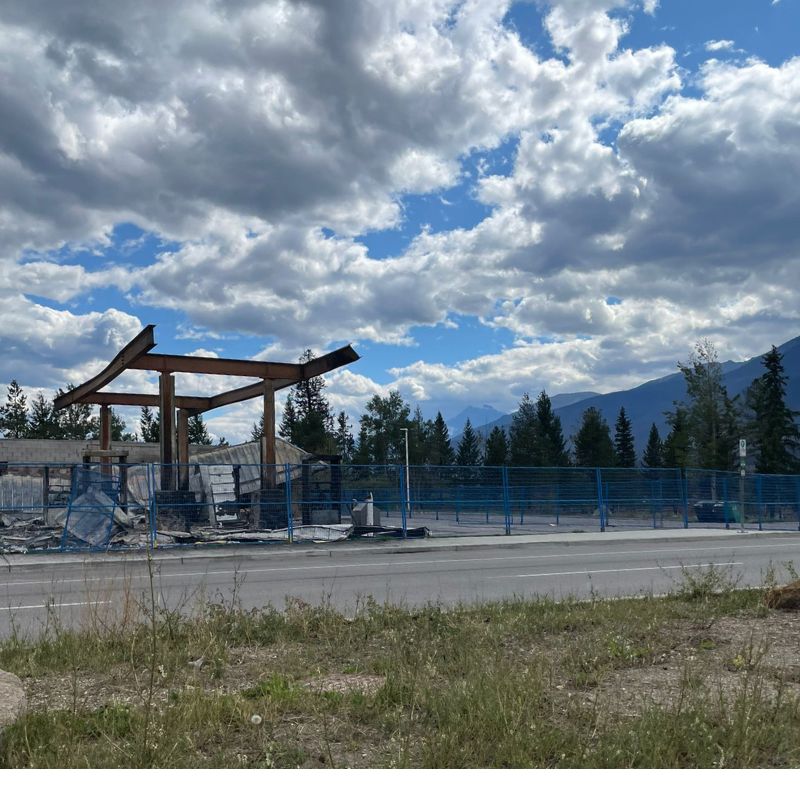
    July 2024 will be remembered as the month when Jasper’s serene landscapes turned into a battleground against nature’s fury. Homes, businesses, and the natural beauty that drew tourists from around the world were engulfed in flames. The Insurance Bureau of Canada reported a staggering $880 million in insured damages, making it one of the most expensive wildfires in Canadian history.

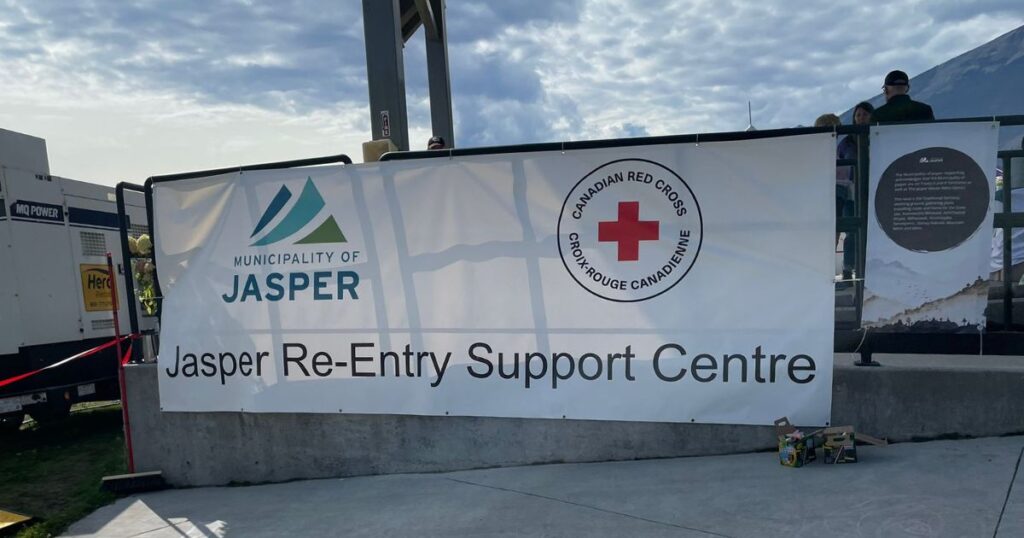
    A month after the fires started Parks Canada announced that, should favorable weather conditions continue, the town could be re-entered within the week. The impact on the community was profound. Families were displaced, businesses were shuttered, and the once-thriving tourist destination was left in ruins. The emotional and financial toll on the residents was immense, and the need for swift and effective recovery efforts became paramount.
    Rural Challenges

    Jasper is a rural destination, located deep in the Rocky Mountains where inventory for temporary housing is limited. The devastation from the wildfire compounded these challenges; many grounds, properties, and affected recreation zones were damaged or lost. Property management companies faced their own property losses and understandably prioritized their efforts to locate alternative accommodations for their residents. Many hotels in the region were also affected by the tragedy, with some holding off on accepting reservations until October 2024 at the earliest. Recreational properties with cabins also experienced losses to their properties, and critical infrastructure such as restaurants were lost to the fire, disabling their ability to re-open for the remainder of the season.

    Rising from the Ashes

    Accomsure, traditionally an ALE Management Service that works to locate temporary accommodations for policyholders affected by displacement, stepped up to the plate to support and reduce the stress being faced by adjusters and restoration crews and members of the local community. On July 29th, the first insurance partner reached out to Accomsure to support the placement of their crews.

    Utilizing existing property connections, Accomsure worked quickly to solidify relations within Parks Canada and with municipal officials and Tourism Jasper. They secured prime locations and supported individuals at these locations, ensuring they could accommodateing the second phase of responders locally and quickly.  

    A total of 68 accommodations were secured through Accomsure’s preferred partner network and newly established relationships. These included recreational cabins just outside of the town limits. The placements provided housing for 139 adjusters and restoration team members, along with several displaced residents who needed temporary shelter close to their community.

    Accomsure’s ability to secure high-quality, well-located accommodations in such a remote and constrained environment is a testament to the hands-on, people-first approach. Where others rely on automation or remote matchmaking, Accomsure’s placement specialists worked one-on-one with both providers and policyholders to solve problems in real time.

    The results did not go unnoticed. One National Supply Chain Manager at a major property insurance company shared, that Accomsure really stepped up during this CAT. Feedback like this highlights the trust built through proactive, compassionate service during critical times.
    The Human Element

    The human element of this crisis cannot be overstated. The wildfires not only destroyed physical structures but also disrupted lives and livelihoods. The psychological impact of losing homes and businesses added to the community’s burden. Accomsure’s efforts went beyond just providing shelter; they ensured those who could help bring that sense of normality could do so quickly and with reduced logistical stress.

    Community Resilience

    The 2024 wildfires in Jasper were a devastating event that tested the limits of the community and its responders. However, through the dedicated efforts of first responders tackling the fire and second responders helping to rebuild, the town began its journey towards recovery. The story of Jasper’s wildfires is a testament to the power of resilience, community, and the unwavering human spirit in the face of adversity.

    Secure the Support You Need—Fast

    Discover how Accomsure removes the stress of CAT event logistics. With dedicated placement specialists and strong industry connections, we secure the accommodations you need to respond quickly and support policyholders.

    Contact Cory Clatworthy, CAT Specialist, to learn more at 403 829 3499.

  • How Aviva GCS’s new Management Liability insurance helps brokers simplify cover for complex risks

    How Aviva GCS’s new Management Liability insurance helps brokers simplify cover for complex risks

    In today’s environment of heightened corporate accountability, legal scrutiny, and regulatory oversight, Canadian business executives are under pressure like never before. It’s a challenge that’s top of mind for commercial brokers as they help clients navigate escalating risk — and Aviva Canada’s Global Corporate & Specialty (GCS) Financial Lines team is solutioning these concerns with the launch of its new Management Liability coverage.

    “Business leaders are facing a multitude of complex pressures, particularly large corporate and commercial clients” says Andrew Cadogan, Underwriting Manager, Management Liability at Aviva GCS. “From tariff uncertainty and potential exposure to ESG greenwashing to a rapidly evolving legal landscape, executives are making increasingly high-stakes decisions — and every one of those decisions can have consequences.”

    Cadogan highlights four key exposures increasingly leaving organizations – and their directors and officers – vulnerable: trade uncertainty, regulatory changes, greenwashing risk, and a surge in corporate litigation. Each has the potential to trigger shareholder, employee, or regulator action — and lead to costly legal defence or settlement expenses.

    “Today’s corporations face greater scrutiny and regulations,” Cadogan adds. “And even if a company or executive ultimately wins a case, the cost of defending it can be significant — especially as cases often drag on far longer than expected. Our Management Liability product helps clients prepare for that risk.”

    Built for clarity and confidence

    Aviva’s new solution is designed to protect businesses and their leadership teams from today’s evolving risks. Available to both public and private companies, the product offers a flexible, modular wording that includes coverage for Directors & Officers Liability (D&O), Employment Practices Liability (EPL), and Fiduciary Liability / Pension Trust Liability (PTL) — with options to bundle or customize, and to choose shared or separate limits.

    “We know brokers are managing increasingly complex risks on behalf of their clients,” says Cadogan. “Our goal was to simplify that process for brokers — to provide coverage that’s easy to understand, easy to explain, and built for the realities Canadian businesses are facing.”

    That’s why Aviva built key features directly into its wording, avoiding the patchwork of endorsements often seen in the market. “We wanted brokers to know exactly what’s covered — and for their clients to have the same level of clarity,” Cadogan says. “Less complexity, fewer grey areas, and best-in-class value built right in.”

    Those built-in features include Emergency Defense Cost coverage for fast access to legal support when it’s needed most, and full severability for insured persons, protecting individual leaders from being penalized for the actions of others. Under PTL, Voluntary Compliance Loss coverage helps businesses proactively address compliance issues before they escalate. And when legal disputes threaten a client’s reputation, Aviva’s solution includes coverage for public relations expenses, employed lawyer costs, and third-party EPL claims — exposures that can often catch organizations off guard.

    “Whether it’s a lawsuit against directors and officers, a wrongful dismissal claim, or a fiduciary liability dispute over employee benefits, this product protects decision-makers,” Cadogan says. “At the end of the day, it’s about helping brokers deliver a better solution to their clients: one that’s clear, comprehensive, and ready to respond when it matters most.”

    Expanding solutions for evolving risks

    The new coverage is a key part of Aviva GCS’ larger strategy to grow its Financial Lines offerings.

    “We’re seeing increasing demand for large risk and multinational solutions, both inbound and outbound, and our goal is to create a full suite of financial products for brokers to offer their clients,” says Cadogan.

    “The new coverages complement Aviva’s existing suite of products and enhances its ability to serve brokers and customers.”

    Beyond its increased appetite, Aviva backs its offering with financial strength, deep underwriting expertise, a defensible claims philosophy, technical underwriter support, and a dedicated litigation panel, Cadogan says.

    “Our trusted Client Relationship Management team is now embedded in this new solution as well. We’re committed to providing clarity, capacity, and a client-first service — so brokers are equipped with the right coverage, tools, and expertise to help their clients manage today’s growing exposures with confidence.”

    This is just the beginning, he adds. “It’s one step in our bigger journey to deliver the evolving solutions brokers need, and the trusted support their clients expect.”

    If you’d like to find out more about Aviva’s GCS Management Liability solutions, please reach out to your broker or visit GCS Financial Lines.

  • Understanding Flooding

    Understanding Flooding

    |

    Extreme weather events are becoming more common in Canada, and according to the Institute for Catastrophic Loss Reduction (ICLR), flooding is the most common hazard people will face.

    There are many types of floods, and before any preventative measures can be taken to minimize risk, it’s best to understand where the water is coming from, and how it can get into the home.

    Floods can be:

    • Fluvial: When a river, creek or stream overflows
    • Pluvial: When a heavy rainfall causes a flood
    • Groundwater: When the natural underground drainage system cannot move rainfall away as quickly as needed
    • Coastal: When water from the ocean or inland lakes overflows onto land

    Often, floods are a result of several events happening at the same time. Events such as:

    Snowmelt runoff.

    The great Canadian winter can produce a lot of snow and ice. While conditions are fun for winter activities, rivers can overflow when all that snow and ice melts as temperatures warm. If the ground is still frozen, water cannot filter through the surface, and flooding happens.

    Storm/rainfall.

    When heavy rains fall in a very short period, water can overwhelm both natural and constructed drainage systems like they did in Toronto and Montreal in 2024. This often results in flash floods, which occur within six hours after a heavy rainfall. Storm-related floods can cause—or worsen—other types of floods caused by snowmelt, ice jamming, structural failure and groundwater.

    Ice jams.

    Ice jam floods are caused by the build-up of floating ice in spots where rivers narrow, have sharp bends, or there are structures such as bridges, causeways or railroad embankments. These can occur in spring when the ice suddenly melts and floods, or in winter when the ice dams up to the point that the river overflows. Fort McMurray experienced this type of flood in 2020.

    Natural dams.

    Flooding can occur when things like landslides, moraines and glaciers create natural dams and block natural water flows.

    Structure failure.

    These types of floods occur when a structure like a dam, levee or dyke fails due to being overwhelmed by excessive water flow, poor design or construction, operation errors, lack of maintenance or a natural event that impacts it— such as an earthquake or landslide. Though these types of floods tend to be rare, they can be severe due to the high velocity of floodwaters being suddenly released from the reservoir.

    Coastal flooding.

    Coastal floods occur due to high wind, which causes huge waves, storm surges, a combination of water flow and tides or a tsunami caused by seismic activity or an undersea landslide. In many cases, several factors can combine to cause the flooding. This type of flooding can happen along ocean coasts and lake shorelines like the Great Lakes. According to Canada’s Changing Climate report, coastal flooding is predicted to increase in the future due to the rise of the sea level along the Atlantic, Pacific and Beaufort coasts.

    Urban flooding.

    This type of flood is caused when there’s an overland flow of stormwater or a river overflows into a developed area. Since urban areas tend to have a lot of concrete, asphalt and large roof surfaces, water has nowhere to go, so it can overwhelm both constructed and natural drainage systems. Flooding of this kind is quite common and has affected many Canadian cities—Sydney, NS (2016), Windsor, ON (2017) and Chestermere, AB (2015) are just three of many.

    Groundwater.

    Groundwater flooding is most often associated with basement flooding. It happens when groundwater—water beneath the surface of the earth—rises to the point that it’s higher than the lowest level of a building. Having nowhere else to flow, water enters through cracks in the foundation, walls and floors. This usually occurs in the spring when snow and ice melt and increase groundwater levels. Groundwater may also be an issue if a structure was built on or near natural wetlands.

    Infrastructure.

    Like other types of flooding, this flood can result from a confluence of other events: a river can overflow due to heavy rainfall and overload a community’s sewer system, causing a sewer back up into homes.

    Events like these can make it challenging to know what proactive measures to take to minimize flood risk. That said, it’s always wise to inspect a home’s foundation for cracks, check the grading around the home and make sure the sewer grates on the street are clear of debris. For specific proactive measures to take, read Protecting your home against flooding: Preventative maintenance.


    This advice is intended to provide general information only and is not intended to provide legal or professional advice, or to be relied on in any dispute, claim, action, demand or proceeding. CAA Insurance Company does not accept liability for any damage or injury resulting from reliance on this information.


  • Despite challenges, overall satisfaction with auto insurers in Ontario and Alberta is 82%: RATESDOTCA Annual Best Auto Insurance Study

    Despite challenges, overall satisfaction with auto insurers in Ontario and Alberta is 82%: RATESDOTCA Annual Best Auto Insurance Study

    Despite the many challenges the auto insurance industry has endured, from the auto theft crisis to rising repair costs, consumers in Ontario and Alberta still report high levels of satisfaction and trust in their insurers, according to the results of the RATESDOTCA Annual Best Auto Insurance Study.

    Conducted by Pollara Strategic Insights, the study, the largest of its kind in Canada, measures consumer perceptions and experiences with their auto insurers – identified by policy number – in Ontario and Alberta. Overall satisfaction with auto insurance companies is 82%, improving by 2 percentage points YoY in 2024, with 76% reporting that they believe their insurance company is a trustworthy brand. Top-ranking carriers, including CAA Insurance Company, Gore Mutual Insurance, Intact Insurance, Northbridge Insurance and Wawanesa Insurance earned high levels of satisfaction in many, if not all, of the measured categories: Best Overall, Most Trustworthy, Best Auto Claims Experience, Best Policy Documents and Best Billing Statements.

    More than ever, maintaining consumer trust is imperative for insurers. The results of the study show that, on balance, the auto insurance industry is doing a good job of maintaining strong relationships with customers during very difficult times. The study also provided key insights into digital interactions, communications preferences, age and overall satisfaction and usage-based insurance uptake.

    The insurance industry lags behind comparative industries in digital interactions with consumers. When 94% of Canadians are going online for personal use and 82% of those users conducting banking online, the number of survey respondents overall reporting using digital portals to file claims is strikingly low, at 3% using online apps and 2% using digital portals. While many in the insurance industry would justifiably claim this is due to customer preference, it may also be that, as a whole, the industry has not invested in building digital tools that work well enough for the consumer to trust when filing a claim.

    While the majority of survey respondents overall preferred phone communications with their insurance company, the study shows an age divide between those that prefer a phone call to those that prefer digital communication. Older cohorts prefer phone calls, while younger cohorts show a preference for digital communications. While phone calls may be the primary preference for all age groups now, we only need to look to the U.S. to see a different future. Customer satisfaction with home and auto insurance digital claims experience in the U.S. rose 17 points in 2024, and customer satisfaction scores were highest when insurer mobile apps were used to report a claim.

    Regardless, it’s important to communicate through a customer’s preferred channel. Overall satisfaction with insurance companies is 85% amongst those who communicated using their channel of choice vs. 70% for those who did not.  Those who communicated with a live person are slightly more satisfied with their insurance company overall than those who communicated by messages via app/website or email.

    The study also showed that age plays a role in overall satisfaction. Older customers assign higher performance ratings across all aspects of service than younger cohorts. This includes: service provided by representatives, timely claims resolution, and communications around payments. This demarcation also applies to overall satisfaction with premium price and value for cost, with older cohorts generally more satisfied than younger.

    Those with UBI policies are more satisfied with their insurers and report higher levels of satisfaction with their insurance companies (89% versus 81%) than those without UBI policies. We also found that although 60% of customers say they are at least somewhat familiar with UBI, very few currently have a UBI policy, and only 28% are likely to consider it for their next policy with a discount of at least 5%. Though younger cohorts are more familiar with UBI, older UBI policyholders are more likely to continue using a UBI policy.

    More challenges for the auto insurance industry certainly lie ahead in 2025. By maintaining focus on the customer experience, insurers can maintain high levels of trust and satisfaction with the most important aspect of their business – the consumer.

  • How to help your client navigate a minor collision claim

    How to help your client navigate a minor collision claim

    Navigating a minor collision can be a stressful experience for drivers, but having the right guidance from a broker can make all the difference.

    Minor collisions are a lot more common than many people realize, says Steve Sanderson, Founder and President of Accident Support Services International Ltd. (ASSI).

    ASSI services thousands of consumers a year at their 44 Collision Reporting Centers (CRC), many of which are located inside police stations across Ontario and Alberta – with the newest center launched in Charlottetown, Prince Edward Island, this summer.

    The need for ASSI to establish these centers emerged 30 years ago, Sanderson says, in response to police budget cuts on servicing minor collisions at the time, an increase in insurance fraud, and the growing involvement of organized crime in the auto insurance industry.

    Over the decades, ASSI has witnessed everything from fake injury claims and inflated repair estimates, to the complexities of today’s organized crime rings manipulating the referral process and spiking auto theft – challenges which continue to burden the industry.

    But, thanks to ASSI’s digitized reporting system to insurers and partnerships with law enforcement and industry bodies like Équité Association and the Insurance Bureau of Canada, ASSI’s ability to help the industry combat fraud and streamline claims has never been stronger.

    PEACE OF MIND

    “With the support of ASSI, brokers can play a crucial role in ensuring their clients receive the peace of mind they need throughout the claims process,” Sanderson explains.

    A key part of a broker’s role is to provide clients with the confidence that their insurance will support them when it’s needed most. This is where ASSI comes in.

    By serving as the first notice of loss for most Canadian insurers, ASSI simplifies and expedites the claims process.

    When a client reports a minor collision at an ASSI center, the electronic reporting submission is sent live to their insurer with complete information to process the claim.

    “Clients may receive an SMS from their insurer detailing the next steps, even before they leave the reporting center,” Sanderson says, emphasizing this immediate connection not only helps clients feel more secure about the claims process, but also reinforces the value of their insurance premium – a key factor in helping brokers retain clients.

    Brokers benefit by having well-supported clients who understand the value of their coverage, making them more likely to remain loyal over time.

    CUSTOMER-CENTRIC APPROACH

    A smooth claims process often hinges on customer service. ASSI’s approach ensures that clients are well-informed about what to expect when reporting a collision.

    At ASSI’s centers, clients are treated with empathy and provided with handouts from their insurer outlining the steps of the claims process.

    “It’s our policy to service consumers within 20 minutes,” Sanderson says.

    For many insureds, this clarity, support and efficient service helps reduce the anxiety that can accompany an accident, giving them a sense of direction during an otherwise stressful time, he adds.

    ASSI’s investment in a comprehensive digital ecosystem means that detailed photographs and comprehensive information are provided to insurers, allowing them to make faster and more accurate claims decisions. This level of service and convenience extends beyond reporting centers, Sanderson adds, with new features enabling clients to start the reporting process from home and then complete it at a center.

    START FROM HOME One of ASSI’s latest innovations, the Start from Home service, further enhances the client experience. Start from Home allows drivers to begin the reporting process online before visiting a CRC. In many locations, brokers can assist their clients with getting started by instructing them to visit https://www.reportacollision.com/.

    Through Start from Home, clients can upload initial details about the collision, including photographs of the scene, driver information and key incident details directly to ASSI’s secure online portal. When they arrive at the center with their reference number, the preliminary details and their statement are already loaded, making the final steps of the reporting quicker and more efficient.

    “Clients are still required to come into the CRC to meet with ASSI’s counselors, to verify that the collision occurred and capture critical fraud detection details,” Sanderson says, adding that drivers will also get the necessary support with the more complex provincial requirements for completion. This includes photos of the vehicle taken on-site and uploaded into ASSI’s Collision Reporting and Occurrence Management System (CROMS), where they are accessible to insurance adjusters and police for thorough review.

    “Start From Home not only saves time but also gives clients the flexibility to complete the most time-sensitive portions of the process from the comfort of their own homes.” Sanderson says. “This is part of our commitment to making the claims process smoother, ensuring clients have multiple options to report their minor collisions with ease, all while providing the necessary verification to support a seamless claims experience.”

    SUPPORTING INSUREDS

    ASSI’s work goes beyond streamlining reporting and claims. Their partnerships and data, provided through their CROMS, directly result in actionable solutions to improve road safety, ensure drivers are properly insured, and combat fraudulent claims.

    “ASSI’s Customer Service Support Package further ensures the integrity of claims, preventing fraud and keeping costs down for policyholders,” Sanderson says.

    For brokers, educating their clients about ASSI’s services means offering clients more than just a policy; it means providing a seamless experience during the most stressful moments. And when clients know their broker has their back, they’re more likely to remain loyal and appreciate the value of their insurance coverage.

    WHAT TO TELL YOUR CLIENTS

    Providing proactive advice to clients before an accident occurs can ensure a smoother claims process and strengthen broker-client relationships. Sanderson provides the following essential tips brokers should share with their clients:

    • Gather essential Information at the scene – Encourage clients to exchange personal details and witness information with the other party involved in the collision. Taking a picture of the other car’s license plate can be critical in case the other driver doesn’t follow up later.
    • Take photographs – Advise clients to take photos of the damage to both vehicles, the other driver’s insurance slip, and the scene of the accident. These images can be uploaded through ASSI’s online tools and will be provided to the insurer.
    • Know what to bring – Remind clients of what to bring to a collision reporting center, including their driver’s license, proof of insurance (pink slip), vehicle ownership, and any information gathered at the scene. It’s important that the driver involved in the collision attends in person, as the police may have questions about the incident.
    • Check wait times and locations – Clients can visit ASSI’s website to check the wait times and locations of collision reporting centers, making the process more convenient and efficient.
    • Start From Home – visit https://www.reportacollision.com/ where available.
    • Be prepared for next steps: Inform clients that their insurer will likely contact them quickly once the report is filed. Being prepared for this communication can help speed up the claims process and reduce delays.


    For more information, visit Accident Support Services International

  • How Agile Leadership and Change Management Drive Success in a Disruptive Era

    How Agile Leadership and Change Management Drive Success in a Disruptive Era

    As the insurance industry is rapidly evolving, the need for brokerages to be agile and adaptable is greater than ever. Agility is not just a trend but a crucial survival skill in an era defined by shifting customer expectations and emerging technologies. To thrive, brokerages must combine an agile mindset with effective change management practices, cultivating a proactive and resilient culture.

    An agile brokerage does not merely react to changes but actively anticipates them. This approach requires a shift from traditional management to empowered leadership that promotes adaptability and collaboration. Here’s what brokerage leaders can do to become more agile:

    • Foster an environment where employees are equipped and encouraged to take initiative.
    • Encourage innovative thinking and facilitate swift decision-making by empowering team members.
    • Create transparent, open lines of communication by continuously sharing information on projects and business metrics.
    • Cultivate a collaborative culture in which new ideas are encouraged and diverse perspectives are valued.

    While agility is essential, the journey towards effective change management is often fraught with resistance. Understanding and addressing the human elements that drive resistance can make all the difference. Employees frequently resist change due to fears of uncertainty, loss of control, or concerns about added responsibilities and diminished job security. Building trust and transparency is crucial when guiding teams through transitions. Leaders must be clear, consistent, and open about the reasons behind changes and the intended benefits. By being transparent, they foster a sense of security and alignment among employees, which is key to overcoming resistance.

    Another critical aspect of managing resistance is the recognition and acknowledgment of employee concerns. Resistance can manifest in various ways, such as declining productivity, absenteeism from key discussions, or missed deadlines. Early identification of these warning signs enables leaders to address the root causes, easing the transition and building a more resilient brokerage. Effective change management, therefore, requires leaders to be attuned to the emotional and operational pulse of their teams.

    However, change management involves more than simply implementing new policies or workflows. It requires a structured approach that includes a clear vision, communication, and a commitment to embedding change within the brokerage’s culture. Leaders must establish a shared vision that aligns with the company’s goals and values. This vision provides a guiding purpose for all members of the brokerage and creates a sense of unity and direction. Communicating this vision effectively ensures that everyone is on the same page and understands the reasons for change.

    Recognizing and celebrating progress also plays a crucial role in maintaining momentum. Small wins, acknowledged and rewarded, reinforce positive progress and keep employees motivated throughout the change process. This can be as small as an acknowledgment in a group meeting or a small reward. Change is not a one-time event but an ongoing journey, and leaders must ensure that new policies and practices are supported by formal structures and incentives to sustain progress and prevent regression.

    Finally, a crucial key to success for any change management is selecting the proper change, and evaluating options to maximize compatibility and success. Here are some good KPIs to start with:

    • Compatibility with current business operations – Does this fit nicely with other components or a complete overhaul?
    • Financial impact – Whether this is saving cost or increasing revenue, what is the estimated impact over the next 5 years?
    • Implementation time including the number of staff involved and the opportunity cost of taking them away from other projects or tasks (i.e. sales or service time).
    • Maintenance cost as an expense and time from your team.

    Leveraging these KPIs, you should have a simple ROI calculation to evaluate significant changes.

    In an era of constant disruption, the ability to navigate change and remain agile is essential for long-term success. Studies have proven that projects implemented with excellent change management practices are up to 7X more likely to succeed. Leaders who prioritize proactive adaptation and strategic change management create an environment where teams can thrive amidst uncertainty. By cultivating a culture of transparency, trust, and collaboration, brokerages can position themselves for sustainable growth in an increasingly competitive market. Agility and effective change management are more than just strategies—they are the foundation of resilient brokerages ready to embrace whatever challenges lie ahead.

  • Deepfakes: The latest weapon in the cyber security arms race

    Deepfakes: The latest weapon in the cyber security arms race

    Artificial Intelligence (AI) and new so called ‘deepfake’ tools are being deployed by cyber criminals to defraud companies out of significant amounts of money. A recent example of this new phenomena in action occurred in May this year.  News of an elaborate deepfake scam broke. UK engineering group, Arup, suffered a US$25m loss, when a member of its finance team based in Hong Kong became a victim of a sophisticated deepfake con¹. Cyber criminals successfully cloned Arup’s Chief Financial Officer’s (CFO) image and voice, and invited a member of the finance team to listen in to a video conference call, along with other ‘purported’ employees (who were also fakes)².  The employee’s initial suspicions were allayed by seeing and hearing the firm’s CFO and other colleagues, discussing the opportunity and he transferred funds to various bank accounts based in Hong Kong as instructed by the deepfake CFO on the call³.

    Today seeing is not believing

    New AI technology allows cyber criminals to refine existing techniques, such as phishing emails, while also giving rise to new types of attacks. Deepfakes represent a new weapon in cyber criminals’ arsenals. The Arup example is, unfortunately, just the opening salvo.

    It is now almost impossible to detect synthetic voice. Readily available AI tools can create video likenesses and develop text which mirrors the styles of specific individuals. This threat will only increase. Our Risk & Resilience research data shows that Canadian business executives feel exposed to the growing cyber threat, with over a quarter (28%) of business leaders seeing cyber as the biggest threat they face this year. Yet concerningly, 15% believe that their organisation does not have adequate protections in place.

    Deepfakes are not the only new weapon for hackers. AI enhanced social engineering tools are also providing a shot in the arm for hackers on the backfoot as cyber defences steadily improve.  Social engineering involves the manipulation of people to transfer money or unwittingly share sensitive data. While businesses are investing in cyber security, and over a quarter (26%) of the Canadian executives we surveyed plan to do so this year, ensuring employees are aware of the increased risks  and are well-placed to spot attacks is by no means an exact science. Although businesses can hold training sessions, human error will always be a possibility, particularly when emails and phone and video conference calls appear legitimate.

    Continuous innovation  

    AI, is enabling traditional hacking techniques and social engineering to become easier and more effective to execute. As an example, AI can now be trained to draft phishing emails using its natural language processing capabilities⁴. Authentication is becoming increasingly problematic. Hackers can circumvent multi-factor authentication (MFA), which traditionally provided businesses with a solid layer of security. While MFA once represented the gold standard for cyber security defences, the pendulum has swung again. In doing so, businesses can no longer rely on MFA to repel hackers, protect sensitive data and provide peace of mind for key stakeholders.

    Deepfakes mark a clear departure from pre-existing hacking techniques and, despite being a relatively recent innovation, are already highly sophisticated. Their ability to blur the distinction between reality and manipulation is unparalleled. The ability of hackers to replicate the human voice and face, with such efficiency that employees can be deceived into thinking they are speaking with a colleague on a video call, poses a real danger to businesses.

    Deepfakes pose a particular threat from a ransomware perspective. With technology, and its associated threats, moving at such speed, lawmakers are racing to update existing legislation. For example, only in April this year did it become illegal in the UK to create sexually explicit deepfake images without consent⁵. Concerningly, there is a growing trend of school students being targeted by such deepfakes, with the perpetrators typically demanding ransom payments to prevent the images from being published⁶.

    This being said, deepfakes do have some limitations. For example, cyber criminals are not yet able to use deepfakes to have real-time conversations with employees of a company, posing as their boss or senior colleague. Also, while a deepfake technology may accurately recreate someone’s appearance and voice, the tone of language it employs may not reflect that typically used by the victim, which can sometimes give the scam away. However, given the speed of innovation in this space, it will not be long before solutions are found for these shortcomings.

    How can businesses protect themselves? 

    With social engineering and deepfake technology becoming increasingly effective, businesses must place greater emphasis on internal controls to protect against human error. Deepfakes have highlighted the need for businesses to have strict structures in place to govern, for example, the authorisation of payments to third parties.

    Businesses must invest in employee training to ensure their staff are well-placed to recognise potential deepfake scams. As cyber criminals become increasingly sophisticated and scams harder to detect, instilling a culture of vigilance and good practice is crucial. Encouragingly, our research found that over a quarter (26%) of Canadian businesses plan to invest in cyber security measures this year.

    Insurance can also play an important role, forming part of a wider risk mitigation strategy. Insurers can provide tailored, specialist support to help spread awareness of the latest threats and boost preparedness. Considering the fast-evolving threat landscape, insurers can serve as important partners to many businesses. As deepfakes are often excluded in cyber insurance policies, it is incumbent on insurers to work with brokers and insureds to help them understand the cover on offer.

  • Mobilizing the strength of a network: How Steamatic Canada ensures effective catastrophe management

    Mobilizing the strength of a network: How Steamatic Canada ensures effective catastrophe management

    As natural disasters increase in frequency and severity across Canada, the pressure on insurers and restorers to respond effectively has never been greater.

    In recent years, Canadians have faced an alarming number of catastrophic (CAT) weather events, ranging from wildfires and hurricanes to devastating floods. While the industry grapples with its new norm of over $3 billion annually in insured CAT losses, the Insurance Bureau of Canada reports insurers are dealing with a record-breaking number of claims from four major CATs this past summer alone.

    For Steamatic Canada, a leading restoration services provider, the stakes are higher than ever.

    “The experiences of the past few months have shown us that many in the industry are not fully prepared when faced with such crises,” says Nancy Raymond, President of Steamatic Canada. “A reactive approach is not enough. These climatic events are likely to become more frequent, and at Steamatic we’ve long recognized the need for an elaborate CAT plan.”

    With a robust CAT management plan and a united network of franchisees, Steamatic is at the forefront of helping Canadians recover and rebuild their lives when disaster strikes. At the same time, the company is creating opportunities for future franchisees to benefit from its extensive experience and network, Raymond adds, which ultimately enables the insurance industry to deliver on its promise to be there for Canadians in times they need it the most.

    SUCCESSFUL CAT MANAGEMENT

    “We need to recognize that we have to continuously analyse and refine our CAT plans in order to ensure we’re ready to act, regardless of the region in Canada,” says Raymond, who has led the company for the past decade.

    A successful CAT management program requires pre-emptive agreements between insurers and their service providers, she explains. “One of the common pitfalls is waiting until a crisis is already unfolding to begin mobilizing resources. Delayed responses can lead to confusion, miscommunication and slower recovery times for those affected by the disaster,” she adds.

    To prevent such issues, Raymond advocates for early discussions and agreements: “For a CAT plan to be successful, agreements and expectations must be discussed and solidified well before a CAT event is declared. This ensures that once a disaster strikes, the plan can be executed swiftly with just a single call.”

    A UNITED NETWORK

    Steamatic Canada has been a trusted partner for the insurance industry since 1968, providing critical restoration services after disasters. Whether it’s water damage, fire, mold or major structural repairs, the company is on call 24/7, 365 days a year, with a network that spans the entire country. Beyond its Canadian roots, Steamatic also benefits from international support, which strengthens its ability to respond to large-scale CAT events.

    One of Steamatic’s greatest strengths is its well-established network of franchisees across Canada. In times of crisis, this network can mobilize quickly to serve disaster victims in need. Steamatic’s franchisees are business professionals who undergo rigorous assessments before joining the network, ensuring they have the financial and operational capability to handle the challenges of CAT management.

    “Our franchisees must be committed, adaptable and ready to mobilize anywhere in Canada,” says Raymond. “Steamatic has recently invested nearly $400,000 in fleet equipment to support franchisees and respond to CAT events like the Quebec floods. This is just one of the many initiatives we’ve implemented to differentiate ourselves and better serve our insurer partners.”

    This strong network not only allows Steamatic to respond effectively to disasters but also provides a tremendous opportunity for potential franchisees.

    For those considering a successful career in the restoration industry, joining a network like Steamatic offers several advantages. Franchisees benefit from Steamatic’s decades of experience, its strong relationships with insurers, best practices sharing and the operational support of a well-established banner.

    “It’s a chance to be part of a network where everyone serves a common goal to help Canadians in times of crisis, where relationships often evolve into friendships and where everyone is invested in each other’s success,” Raymond says.

    In a world where disasters happen more frequently than ever, having a reliable, responsive network like Steamatic in your corner can make all the difference. Whether it’s a homeowner recovering from a flood or a new franchisee looking to grow their business, Steamatic’s commitment to service excellence and community support remains unwavering – and essential to effective disaster management across Canada.


    For more information on Steamatic Canada’s franchise opportunities, visit steamatic.ca.

  • How to keep your client and their vehicle safe

    How to keep your client and their vehicle safe

    ||||||||||||||||||||||

    The numbers are staggering. A vehicle is stolen from a driveway or parking lot, on average, every five minutes across Canada, leaving unsuspecting victims to pick up the pieces after their second-most-valuable possession has disappeared. According to industry estimates, the cost of vehicle theft in 2023 was $1.5 billion, while the impact in Ontario alone exceeded $1 billion.

    To help mitigate the risk of your client’s vehicle being stolen, CAA Insurance recommends the following:


  • How global networks relieve international liability risk in natural resource sectors

    How global networks relieve international liability risk in natural resource sectors

    A successfully globalized company must maintain both an international perspective and a keen understanding of local markets in their operational strategy. Evolving global events are interconnected and have far reaching ramifications in all aspects of business – including in the insurance marketplace.  Sanctions and embargoes, for example, change and evolve, differing from country to country, and political instability and aggression are unfortunately prolific in many parts of the world. An international program (IP) is a centrally coordinated program consisting of local policies for every foreign entity supplemented by the Master cover from the Parent company, which provides a cross-border solution to the variance in regulations, liability risks, political climate, and local norms.

    Natural resources risks, in particular Mining risks, very often have an international exposure.  For example, a mining company may be headquartered in Toronto, but as rich geology is not impacted by borders, most of the locations and operations are domiciled in other countries around the globe. When a mining company expands globally, they are often confronted with a muddle of legal, tax, and supervisory regulations. A multinational diversified mining operation will also be inter-reliant on each facet of its operations as further processing of the product is conducted in other countries. A single physical loss in one country can quickly cause a business interruption risk in countries down the supply chain. Suddenly, a loss in one country is triggering an international domino effect on separate policies around the world.

    There is no worldwide Insurance regulatory regime in place, rather it is a hodgepodge of national and regional laws and requirements. Compliance with local laws and regulations has been one of the primary drivers for the purchase of locally admitted policies. Navigating this uncertainty is best done with a strong team consisting of the Risk Manager, Broker, legal and tax expert, Claims professionals, and Underwriting company with its Network partners.

    From the perspective of a Natural Resource company, it would be very important to ensure risks such as physical Property and Business interruption, Workers’ compensation and Employers Liability, Premises Liability, Environmental Liability and Auto coverage are considered and managed effectively. A cornerstone of an industry-leading IP is maintaining a real-time flow of information between network partners to monitor the performance of each of these components and any pertinent situational changes. This network alleviates the insured of weathering the complexities of a multi-line, international loss, should it occur.

    Furthermore, an IP’s team of experts can anticipate and prevent serious mishaps that arise from cross-border disparities. Some countries have restrictions or strict bans on providing insurance cover from abroad. These are often termed “NANA” countries or “Non-Admitted Not Allowed”. These countries regulate that only insurance companies licensed locally may offer their services. Therefore, foreign insurers can only offer their services under particular conditions or through local insurers. When an insurance policy cannot pay on behalf of or legally represent a policy holder, companies may be seen as poor corporate citizens in the jurisdiction of the loss, not having purchased locally recognized insurance. A breach of local regulatory law may result in policies being voided as well as fines and penalties up to and including imprisonment.

    There are many ways to approach an International Program once having appropriately assessed the risks under the parent company’s Master policy. Many solutions consist of coordination and placement of local policies while examining the entire risk holistically. Local policies provide market standard coverage and are often required for local certificates, travel visas, and local contractual requirements. Local claims handling and faster reaction times also offer significant benefits. A DIC/DIL (Difference in Conditions/Limits) offered under the Master policy helps to fill the gap between the local coverage and the Master policy when it comes to limits and differing aspects of coverage or the differing terms of the local policies.

    Often organizations don’t really know how their insurance program would handle the complexity of an international loss until it happens, so running through various scenarios and understanding the risks can help build confidence that the right program and the right insurer are in place.